

Model course for travel agencies/tour operators. Great journey. Sakura
¥ 382 000
| Twin accommodation | Single accommodation | |
| Hotel 3* stars | ||
| Hotel 4* stars | ¥ 382 000 / pax | ¥ 504 000 / pax |
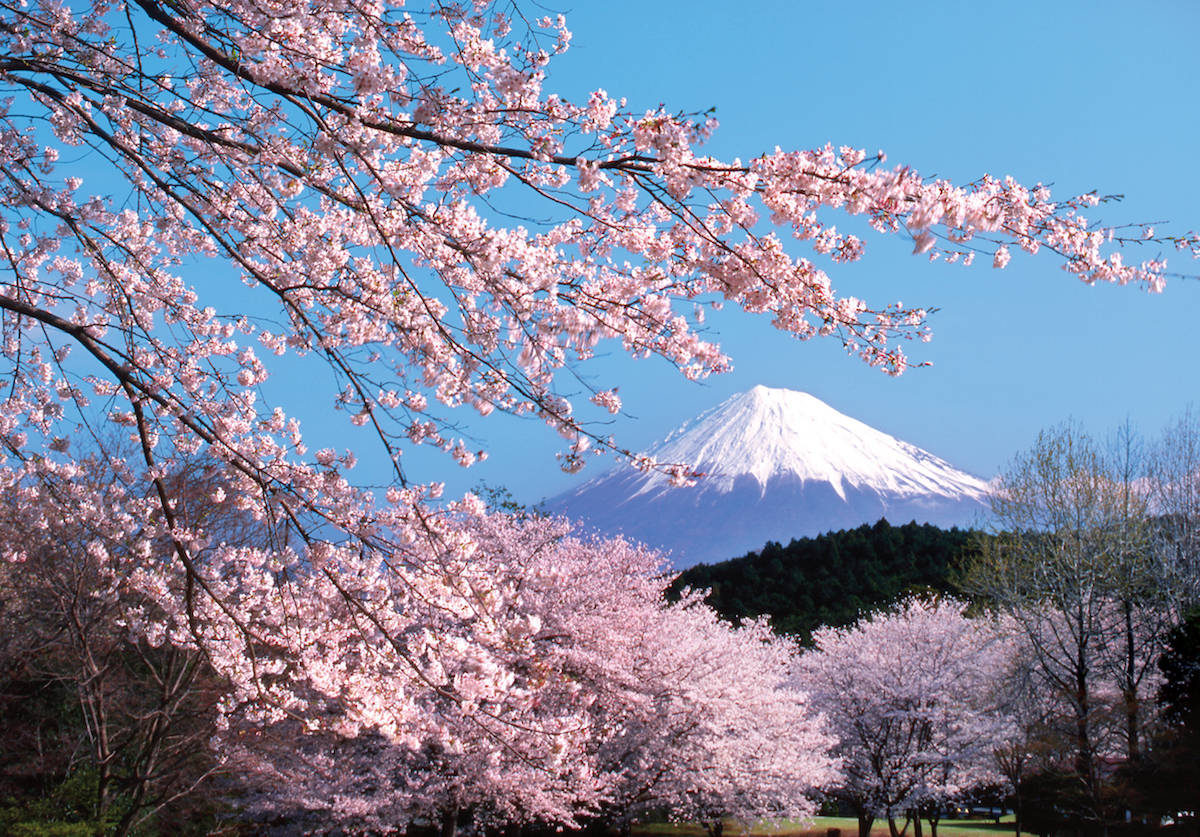
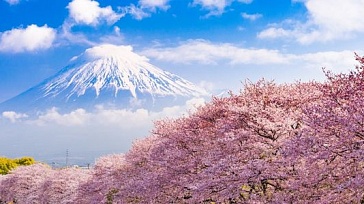
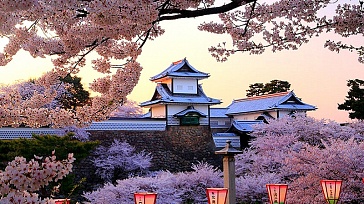
The Japanese are very sensitive to the change of seasons, each of which is priceless for them in its own way. Therefore, it is not surprising that Hanami enjoys special honor - after all, what could be more beautiful than the blossoming cherry blossoms?
Accommodation 4 *, 8 excursions, 9 breakfasts, 8 dinners, entrance fee, transfers from / to airport, train tickets.

Day 1; Tokyo.
Check in at hotel
Dinner at local restaurant
* Night at hotel, Tokyo city.
Day 2; Tokyo.
09:00 – Tokyo city sightseeing tour at chartered bus with guide, including:
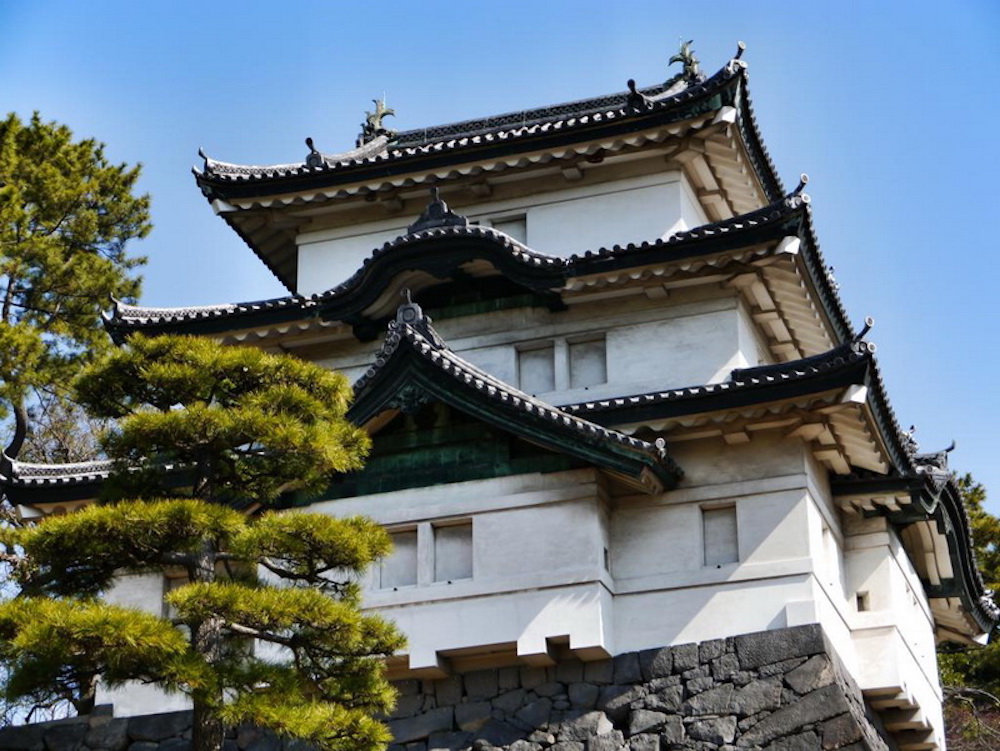
09:30 – Imperial Palace;
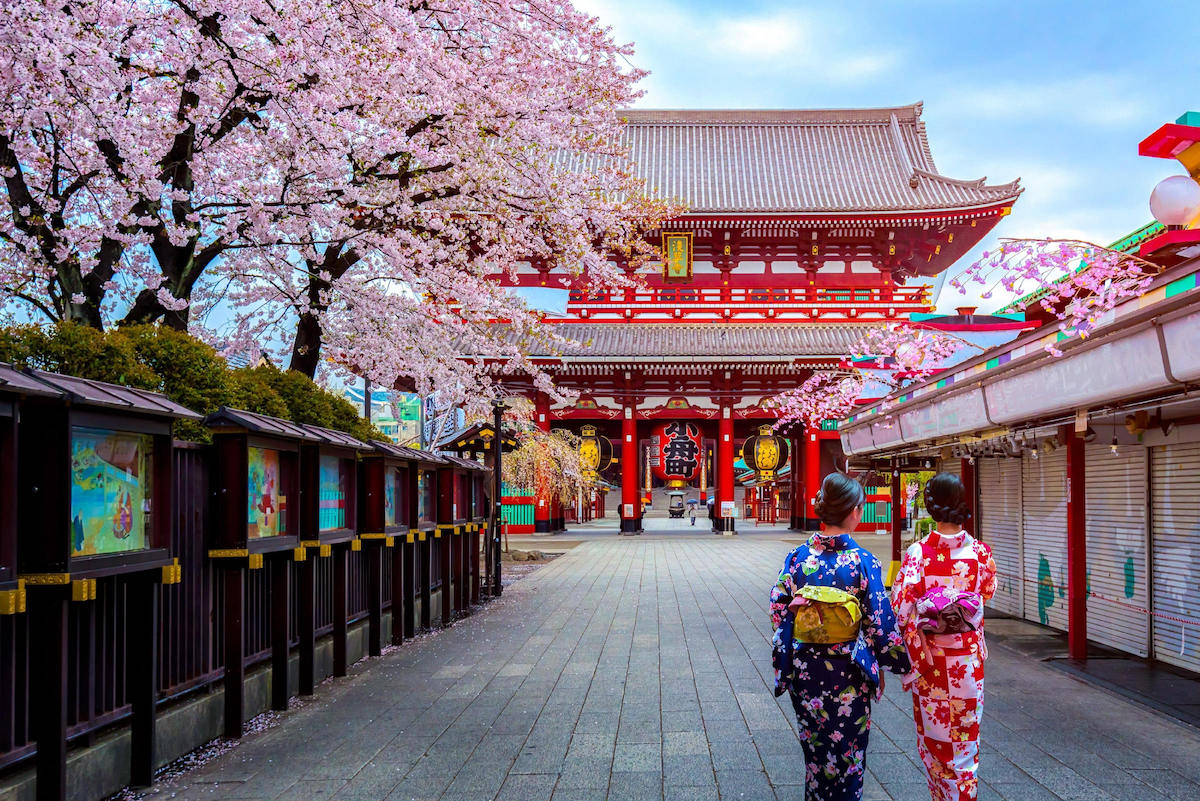
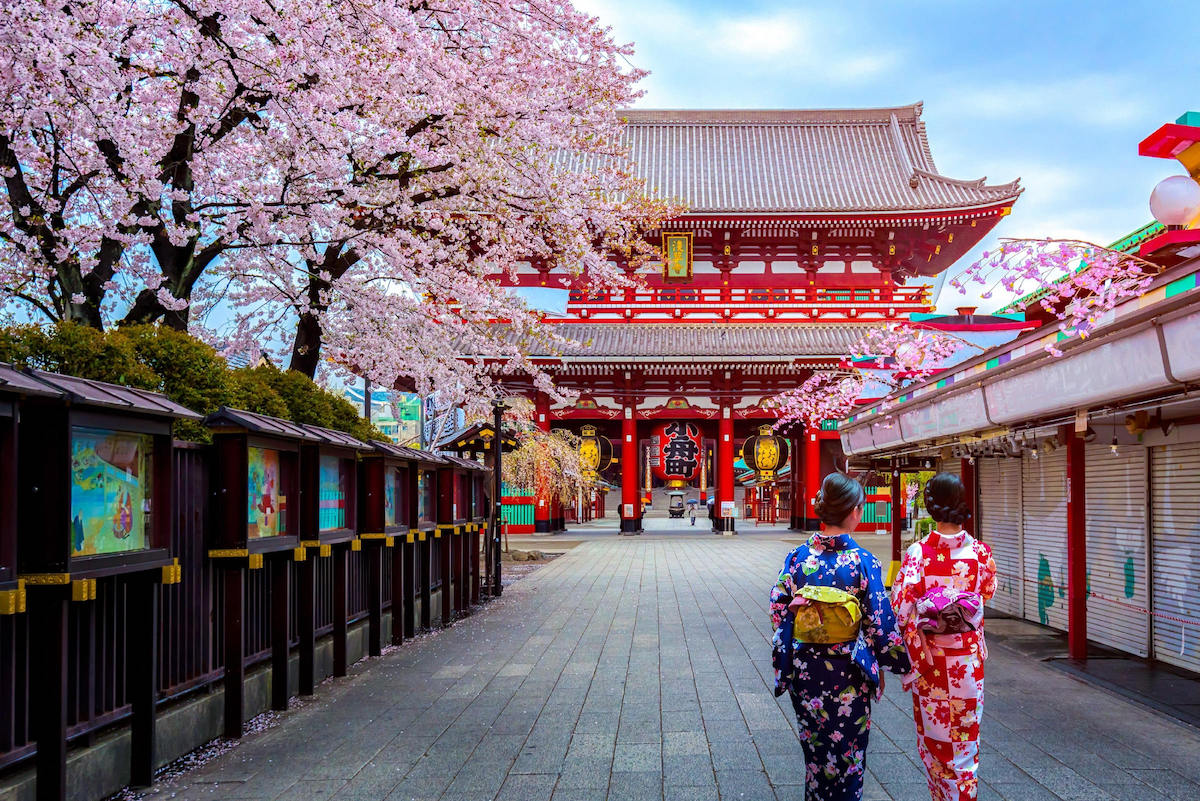
09:30 – Asakusa Kannon Temple;
10:30 – Nakamise-dori shopping street;
13:00 – Meiji Jingu shrine;
15:00 – Harajuku (Takeshita dori), Shinjuku (Godzilla statue, Mega Donki), Ginza;
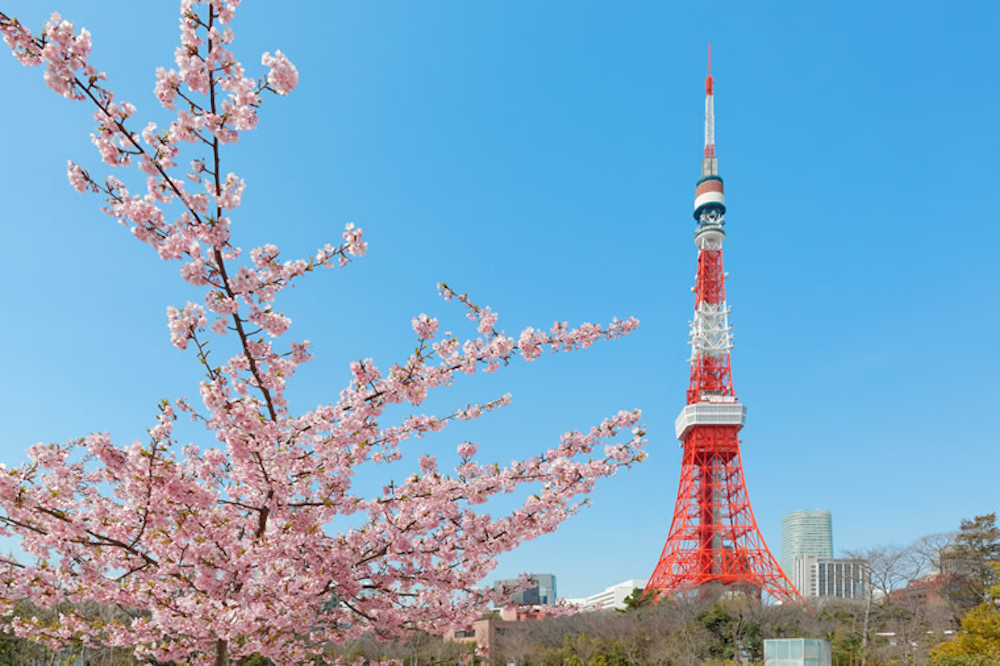
17:00 – Tokyo Sky Tree;
18:30 – Return at hotel, Tokyo city.
19:00 – Dinner at hotel buffet restaurant.
* Night at hotel, Tokyo city.
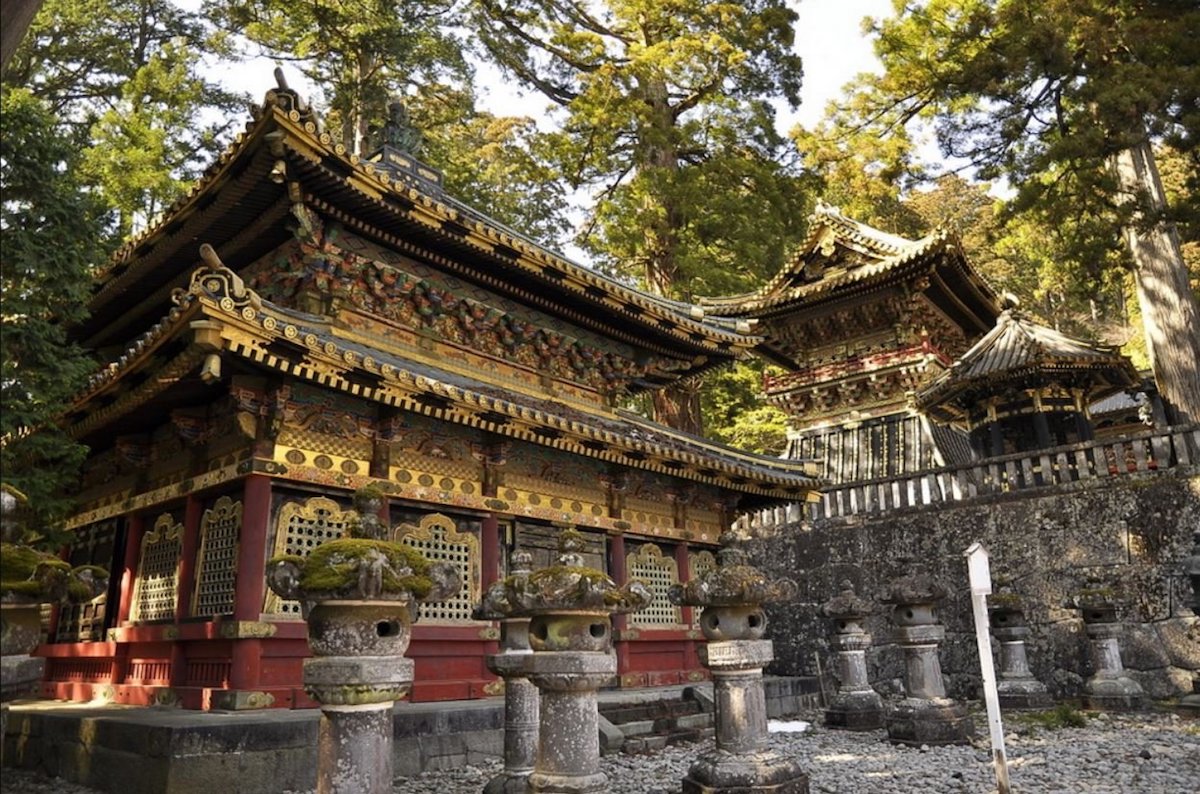
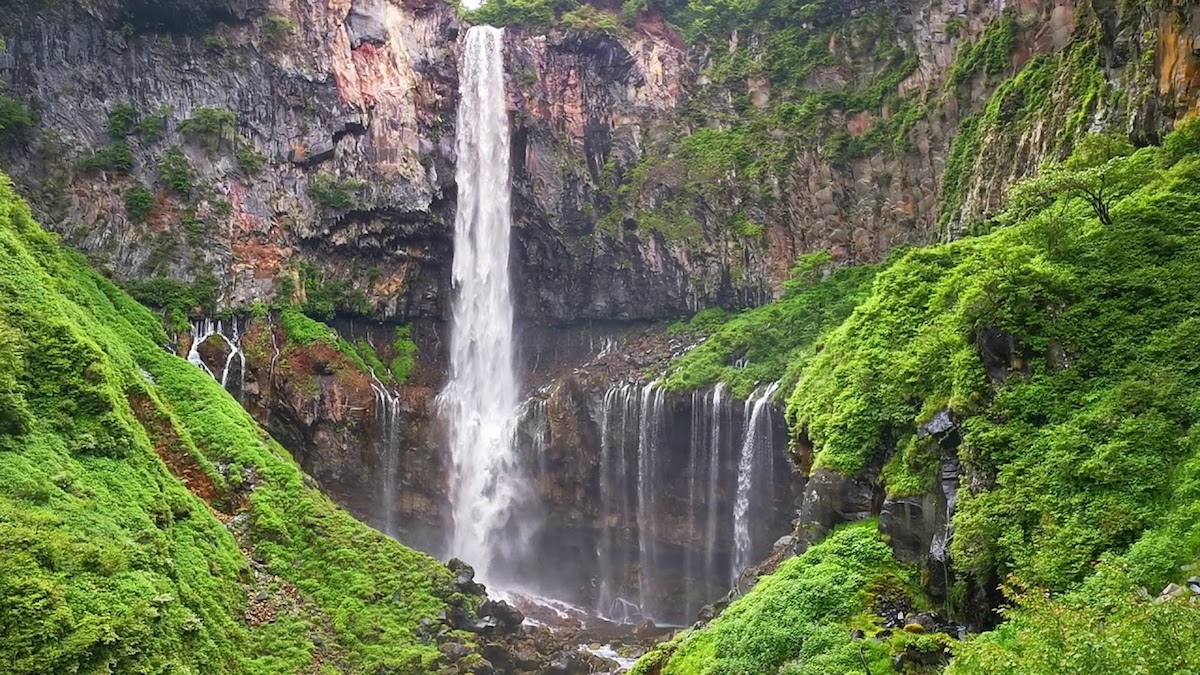
Day 3; Nikko.
08:30 – Nikko city sightseeing tour at chartered bus with guide, including:
10:30 – Shinkyo bridge;
12:00 – Toshogu shrine;
14:30 – Kegon falls;
15:40 – Chuzenji lake;
18:30 – Return at hotel, Tokyo city.
19:00 – Dinner at hotel buffet restaurant.
* Night at hotel, Tokyo city.
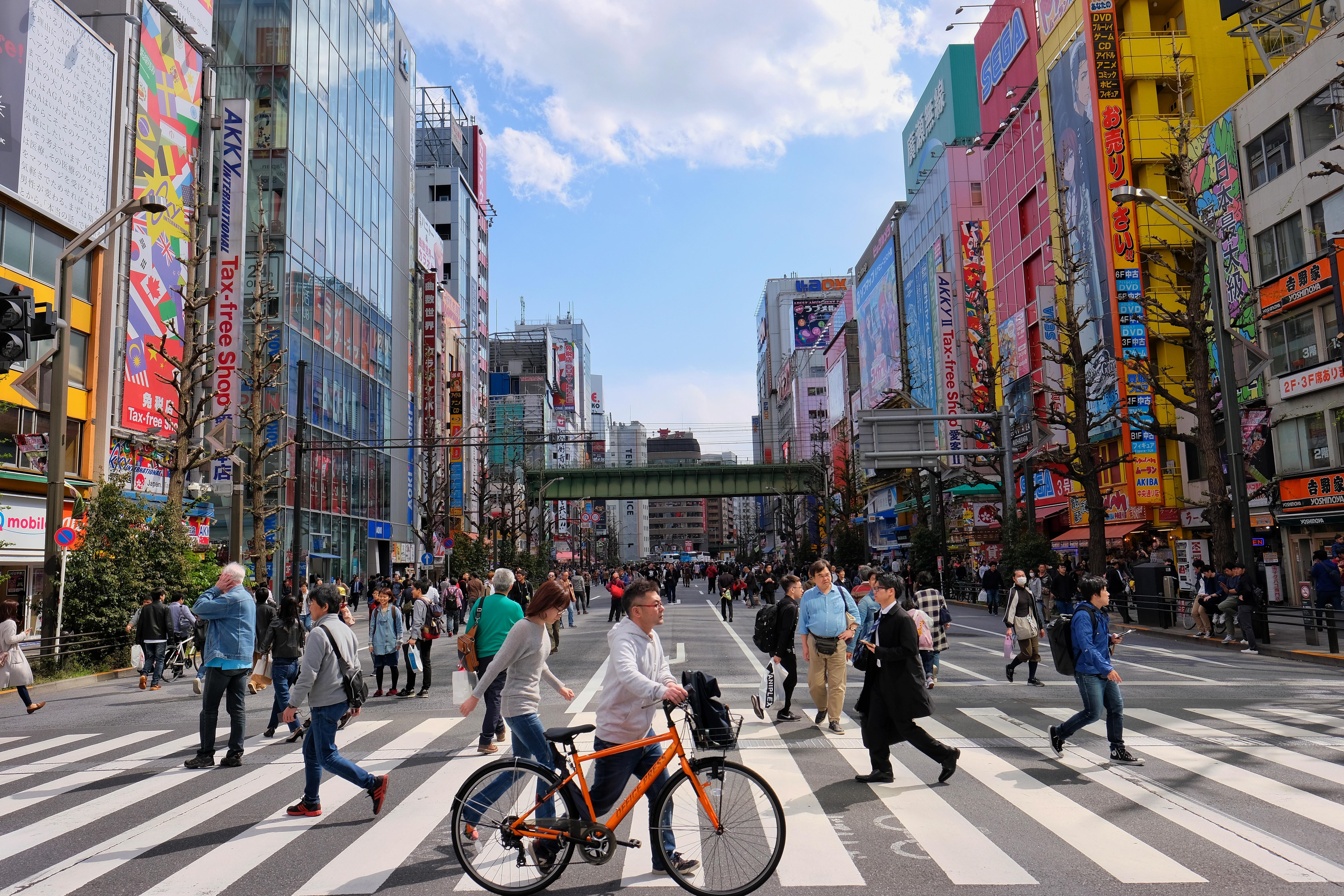
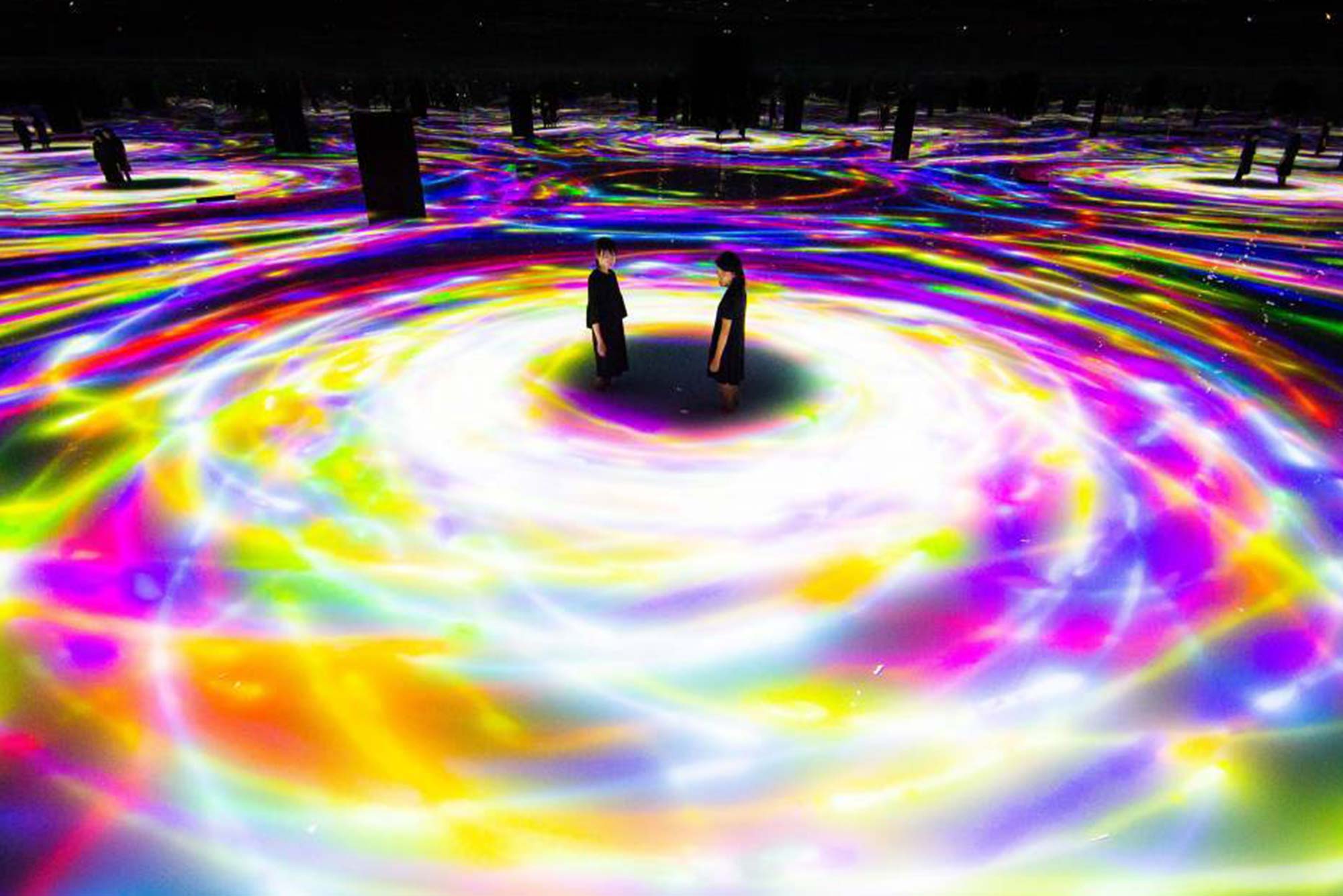
Day 4; Tokyo.
Breakfast at hotel.10:00 – Tokyo city sightseeing tour at chartered bus with guide, including:
10:30 – Ueno park;
12:00 – Akihabara;
13:30 – Tokyo Team Lab museum;
15:00 – Return at hotel, Tokyo city;
19:00 – Dinner at hotel buffet restaurant.
* Night at hotel, Tokyo city.
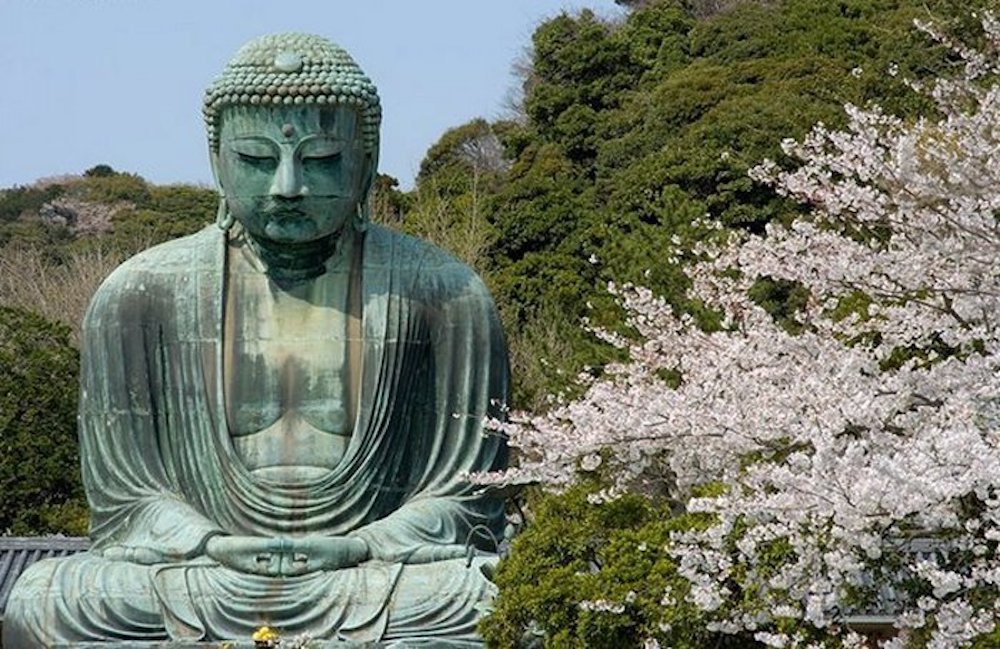
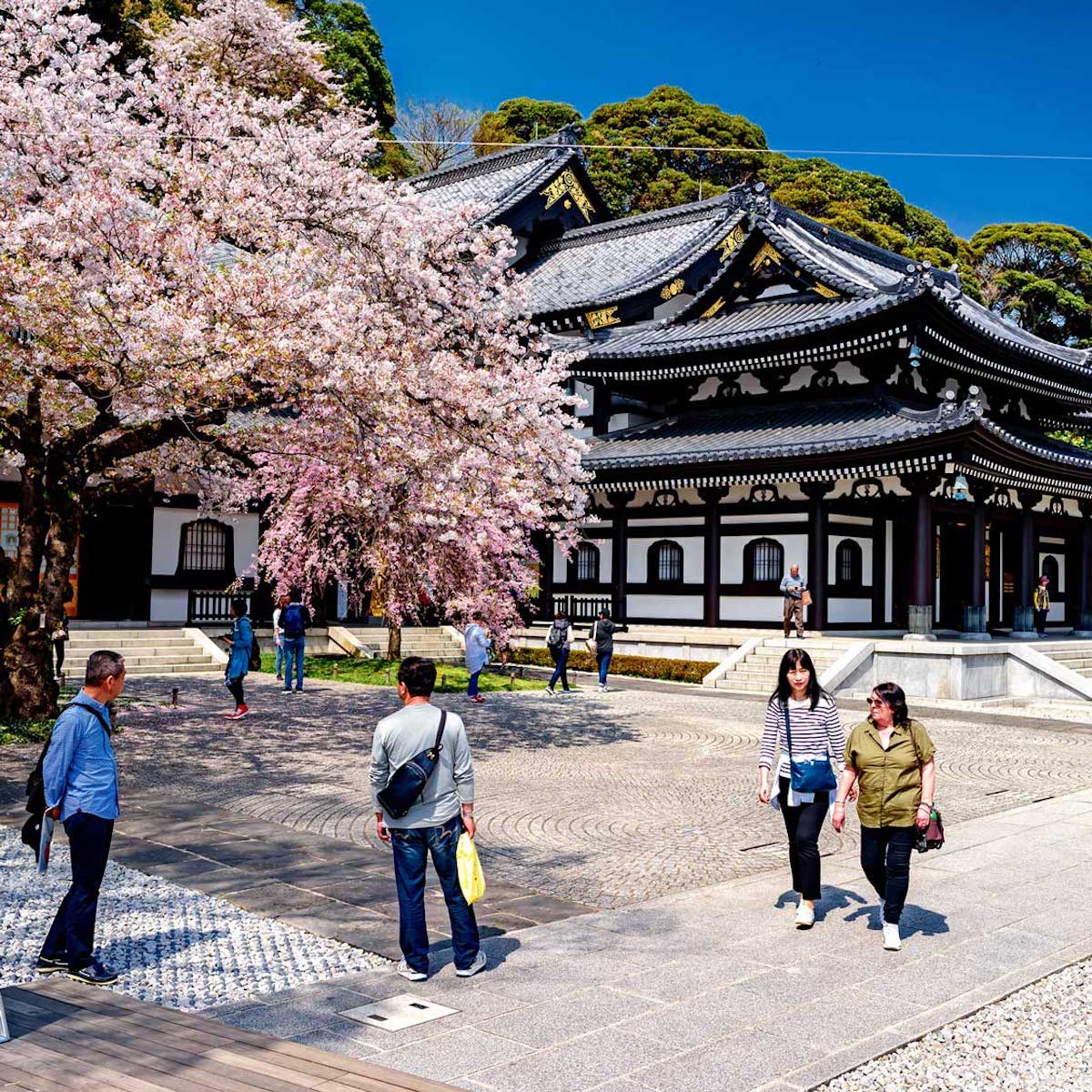
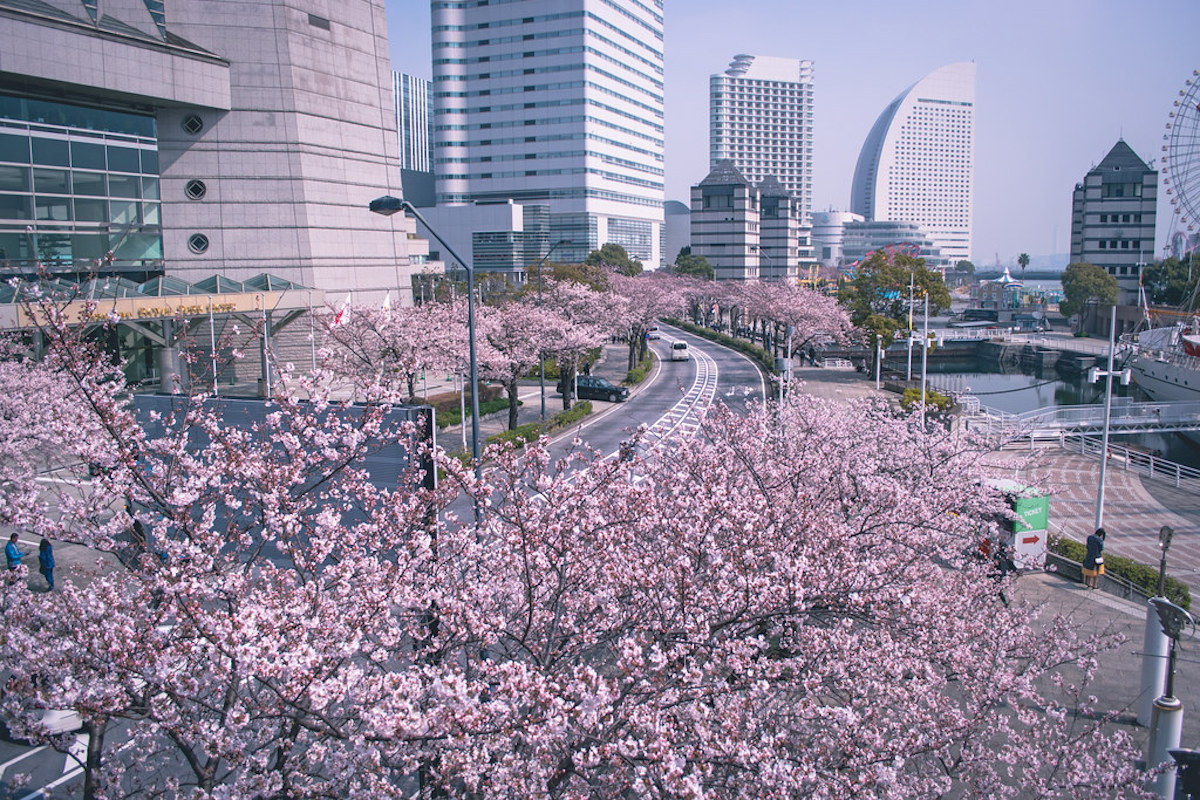
Day 5; Kamakura - Yokohama.
09:00 – Kamakura and Yokohama city sightseeing tour at chartered bus with guide, including:
10:30 – Hasedera Temple;
11:00 – Daibutsu – Statue of Kamakura Great Buddha;
12:00 – Hachimangu shrine;
13:30 – Transfer to Yokohama;
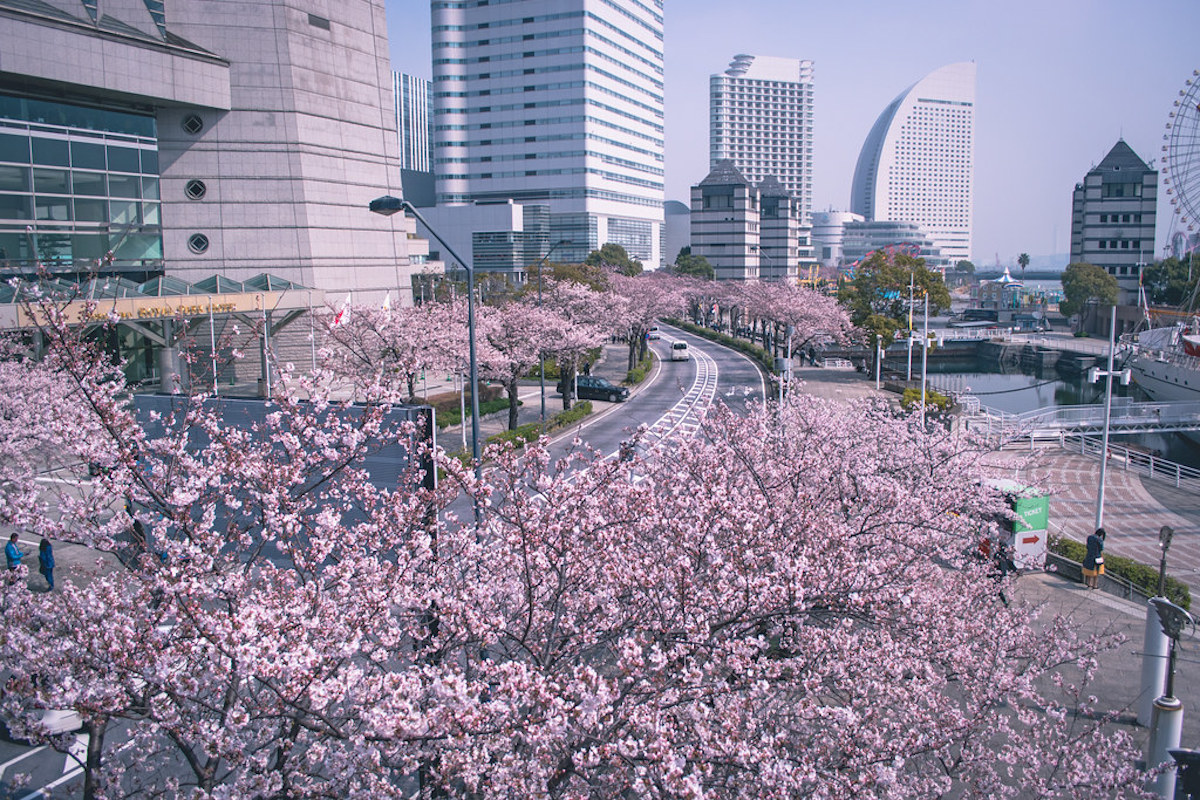
15:00 – Yokohama Minato Mirai;
16:00 – Red bricks warehouse;
18:30 – Dinner at local restaurant (buffet dinner, European and oriental);
20:00 – Return at hotel, Tokyo city.
* Night at hotel, Tokyo city.
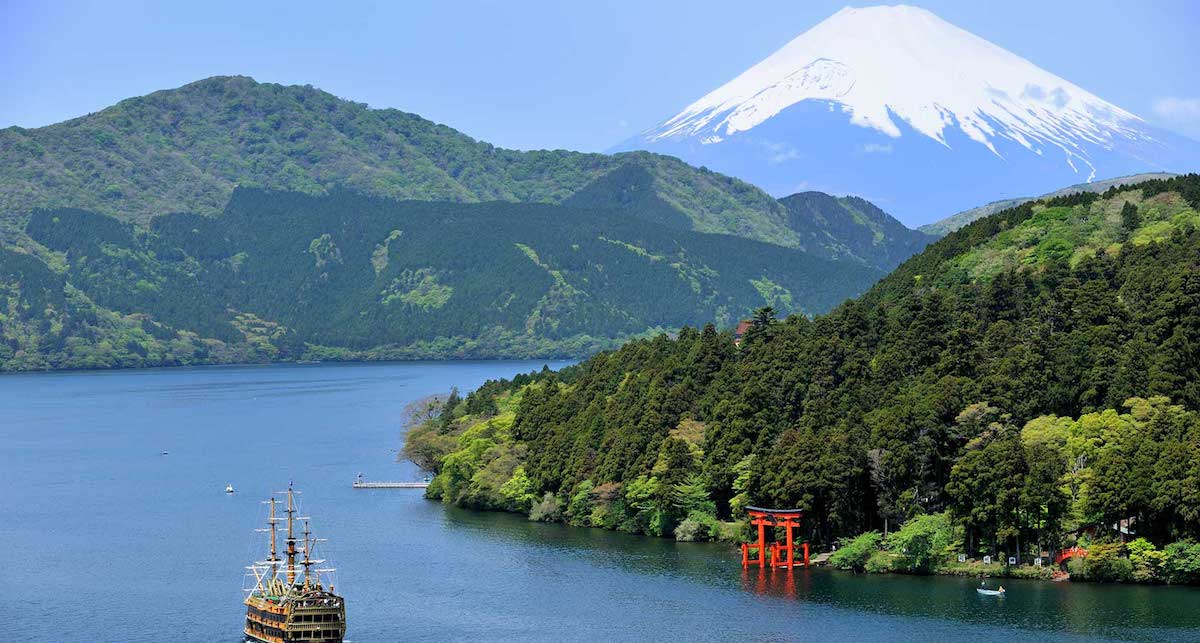
Day 6; Hakone.
08:30 – Hakone sightseeing tour at chartered bus with guide, including:
10:40 – Ashi lake cruise;
11:30 – Hakone Ropeway;
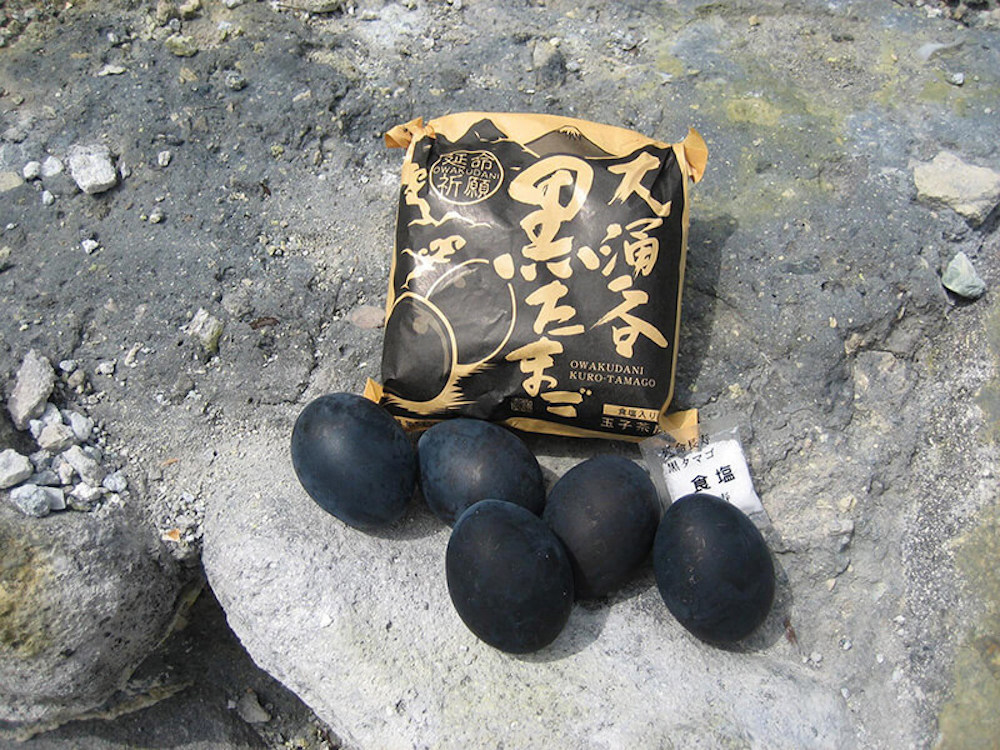
12:00 – Owakudani valley and Owakudani black eggs;
13:30 – Transfer to Mishima station;
15:46 – Departure by Shinkansen bullet train from Mishima to Shin-kobe (15:46-18:11), change train in Shinkobe and departure by Shinkanen bullet train to Hiroshima (18:19-19:31);
19:31 – Transfer Hiroshima railway to Hiroshima hotel, Check-in at hotel.
20:00 – Dinner at hotel buffet restaurant.
* Night at hotel, Hiroshima city.
Day 7; Hiroshima-Kyoto.
09:00 – Hakone sightseeing tour at chartered bus with guide, including:
10:30 – Miyajima tour, Itsukushima shrine;
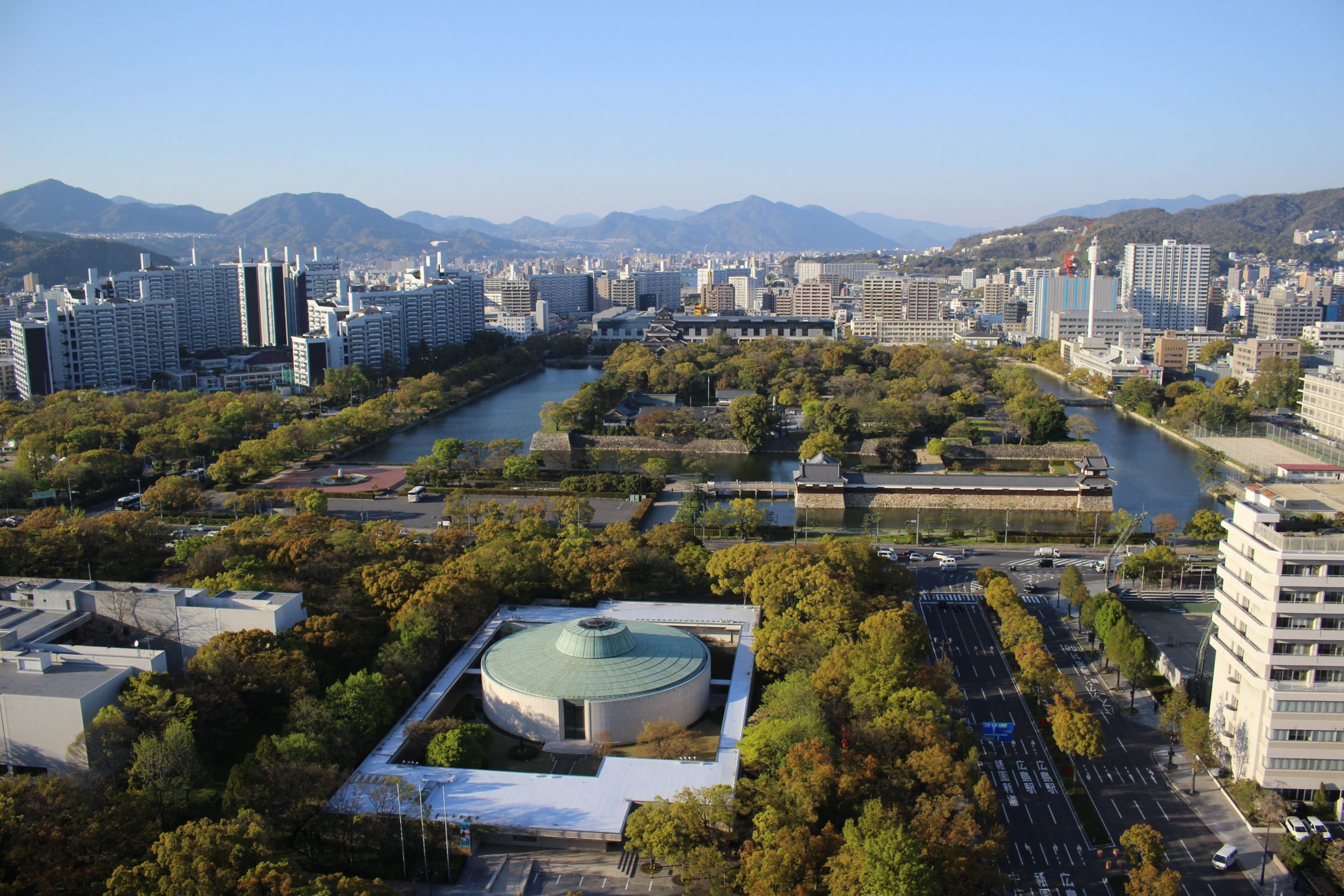
13:00 – Hiroshima peace museum;
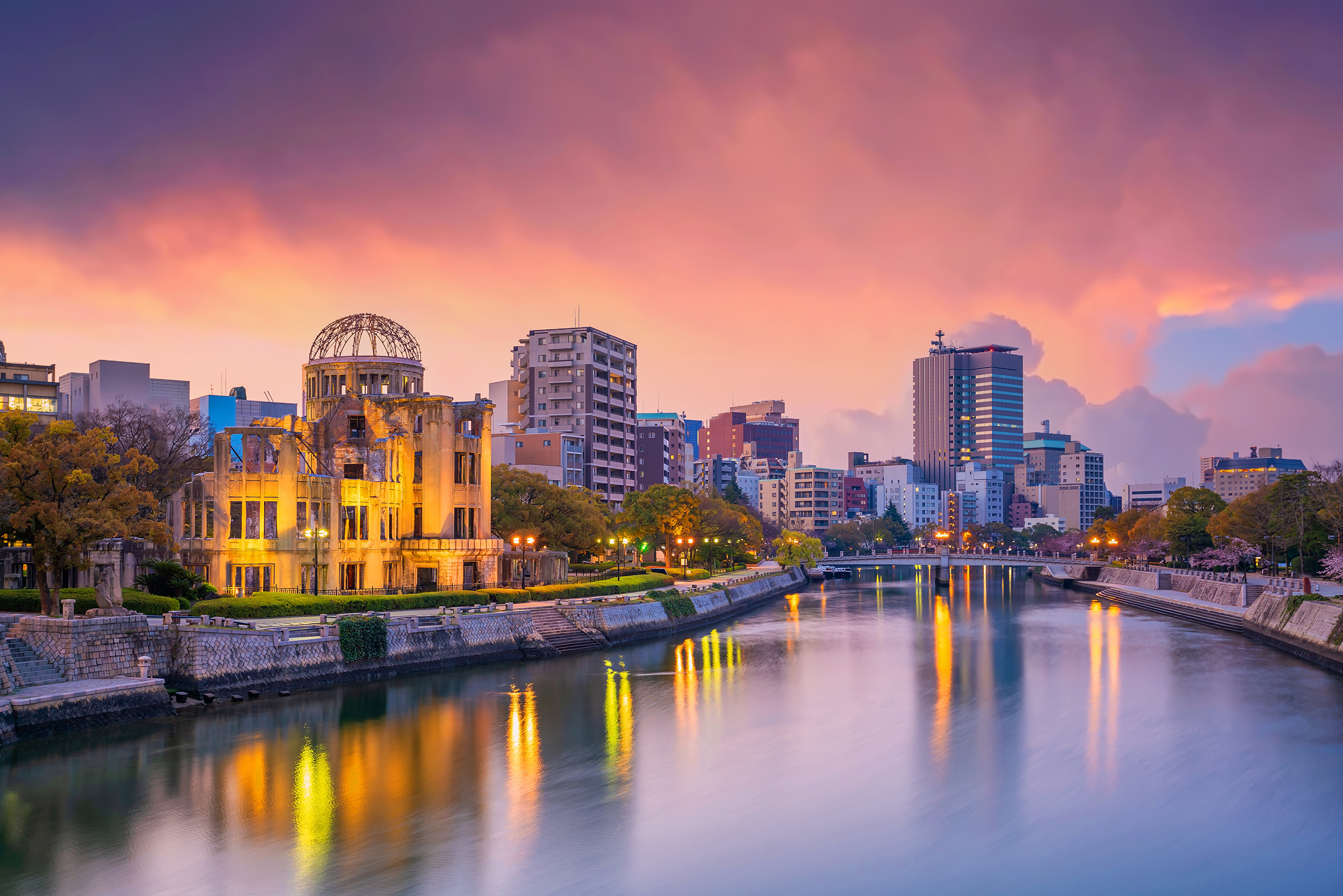
14:00 – Hiroshima atomic bomb;
15:00 – Transfer to Hiroshima railway staiton;
15:42 – Departure by Shinkansen bullet train from Hiroshima to Kyoto (15:42-17:22);
17:22 – Transfer Kyoto railway to Kyoto restaurant;
18:00 – Dinner at local buffet restaurant;
19:30 – Transfer to hotel, check-in.
* Night at hotel, Kyoto city.
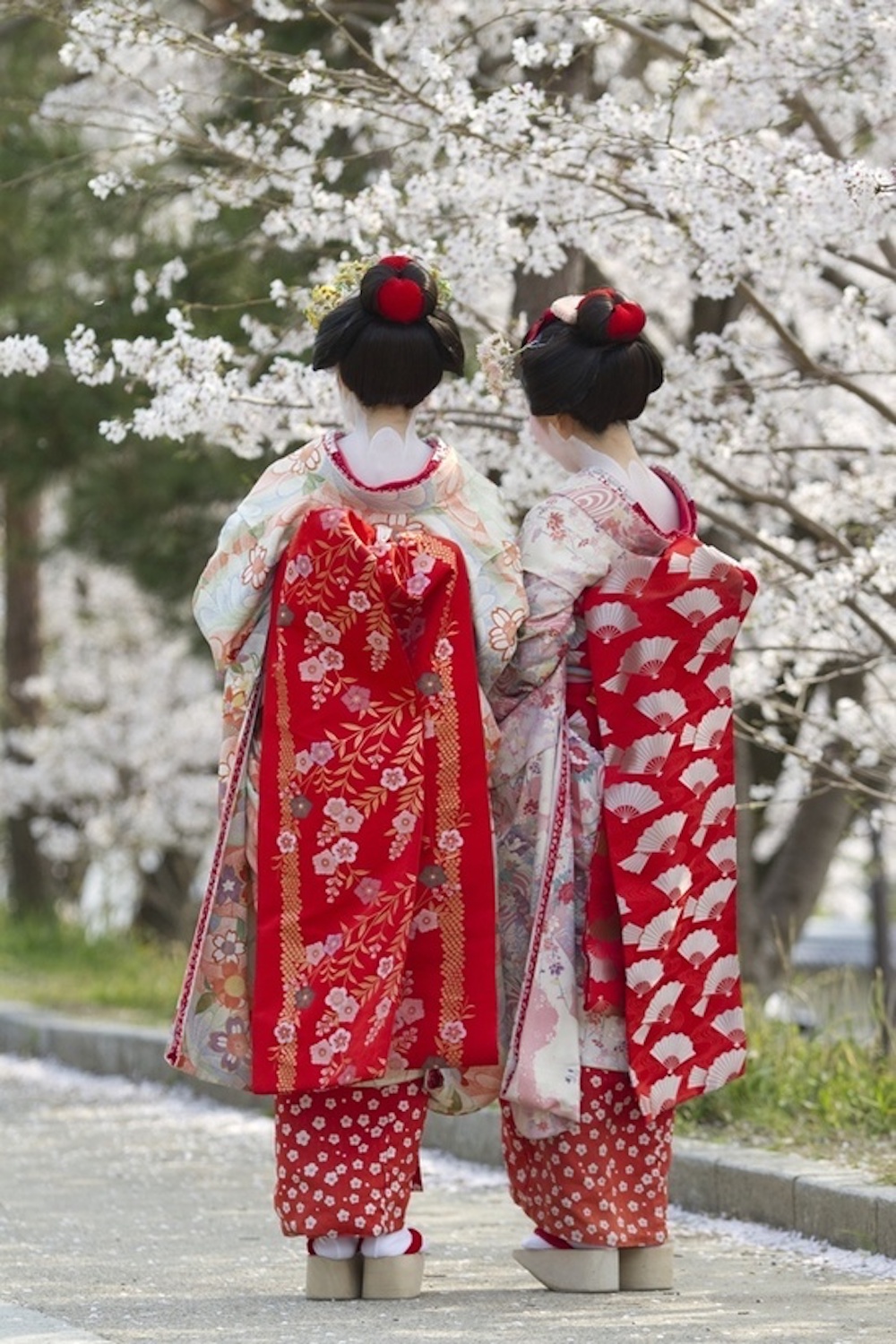
Day 8; Kyoto.
09:00 – Kyoto city sightseeing tour at chartered bus with guide, including:
09:30 – Nijo castle;
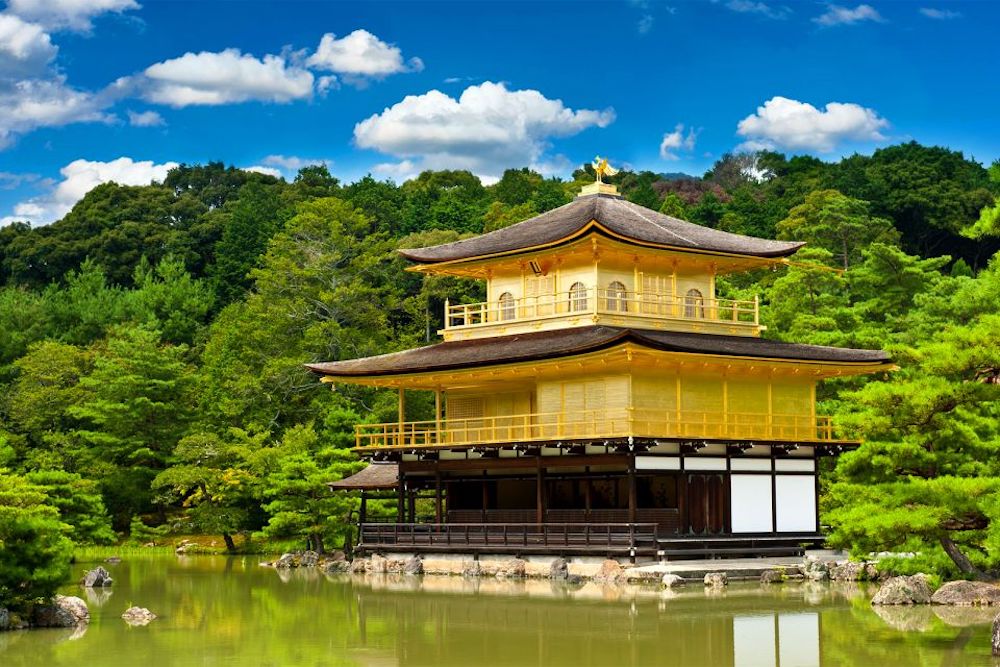
11:00 – Kinkaku-ji – Golden Pavilion;
13:00 – Arashiyama Togetsukyo bridge;
14:00 – Arashiyama Tenryuji temple and bamboo forest;
16:00 – Walking in Gion including Yasaka shrine, Hanamikoji street, Gion Shirawa;
18:00 – Dinner at local restaurant with Maiko/Geisha show theme dinner;
20:30 – Return at hotel, Kyoto city.
* Night at hotel, Kyoto city.
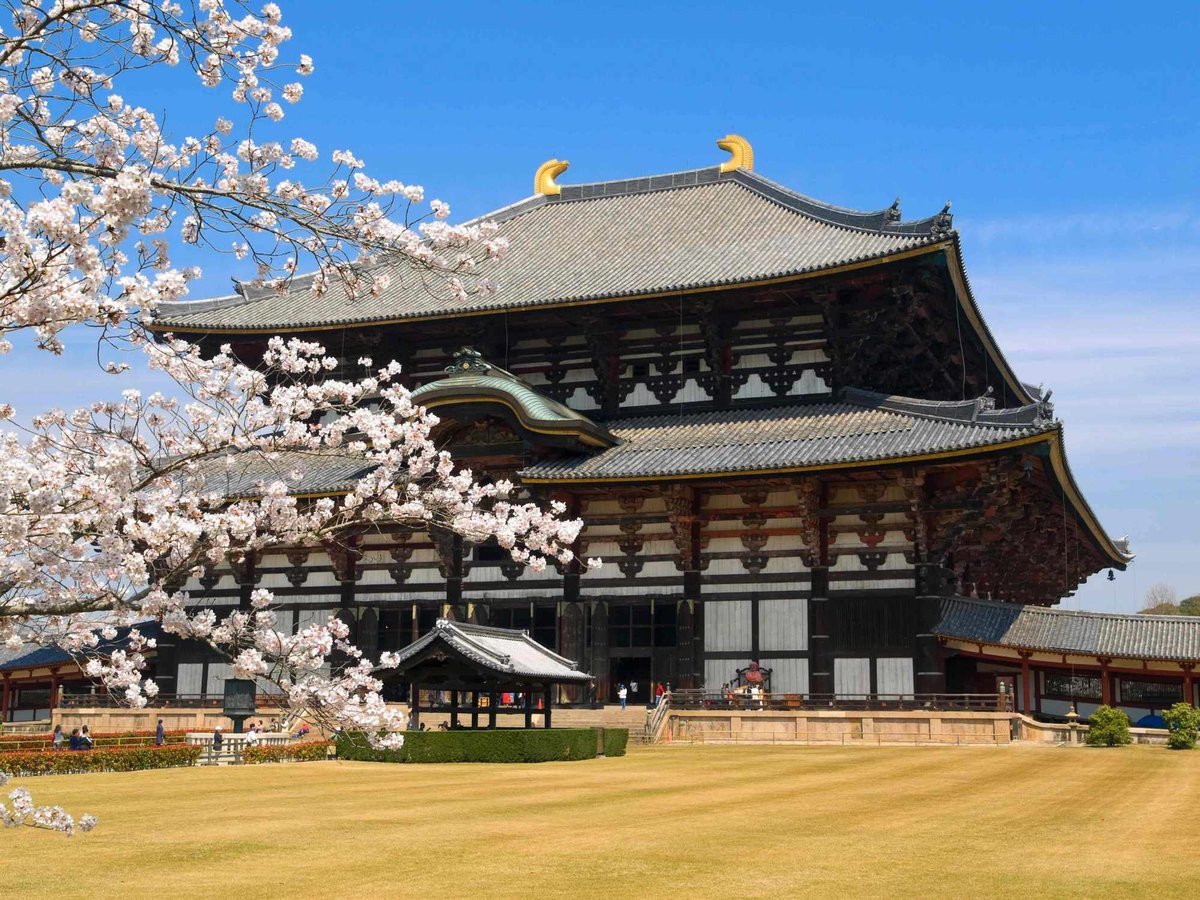
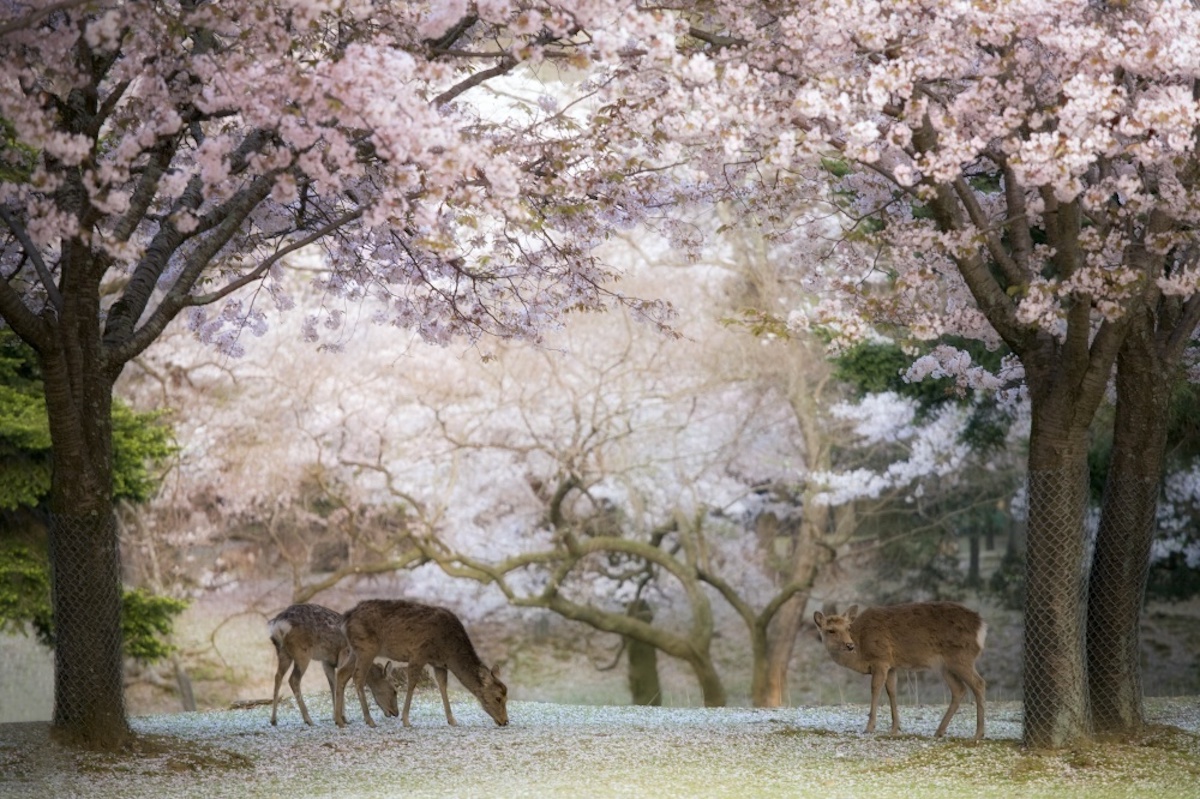
Day 9; Kyoto - Nara.
09:00 – Kyoto and Nara city sightseeing tour at chartered bus with guide, including:
09:30 – Kiyomizudera temple, tea ceremony;
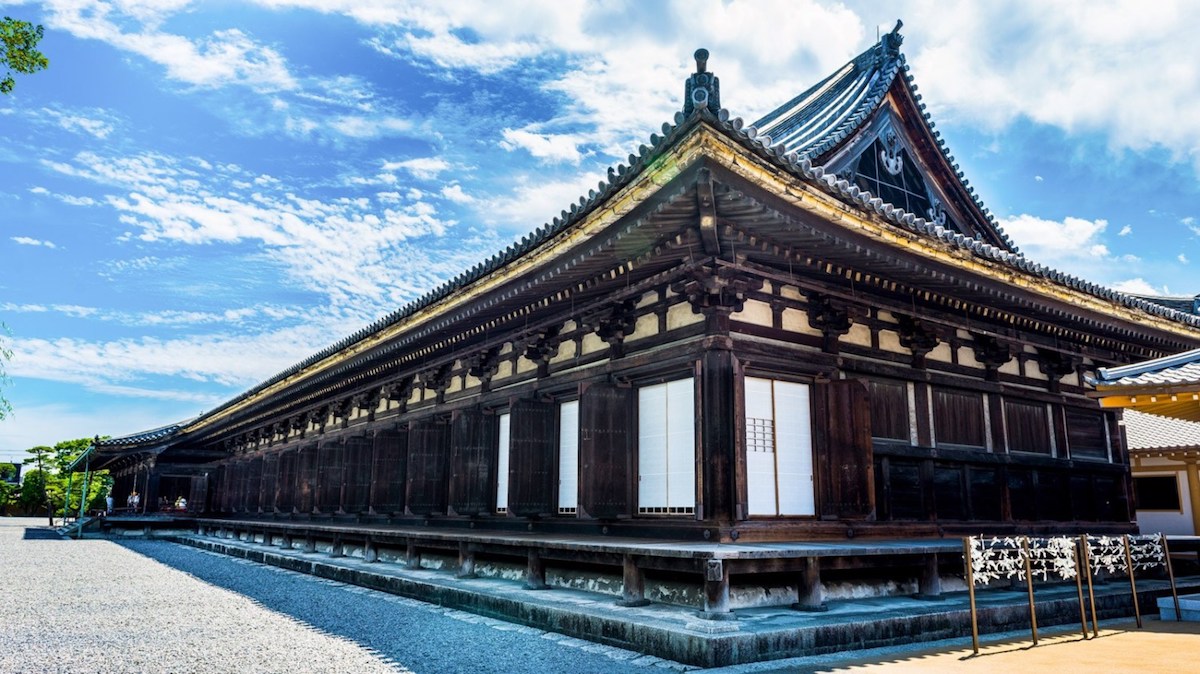
11:30 – Sanjusangendo temple;
12:00 – Departure to Nara;
14:00 – Tea ceremony;
15:30 – Todai-ji temple;
16:30 – Kasuga Taisha Shrine;
17:00 – Nara park;
19:00 – Dinner at local restaurant Sukiyaki theme dinner.
20:30 – Return at hotel, Kyoto city.
* Night at hotel, Kyoto city.
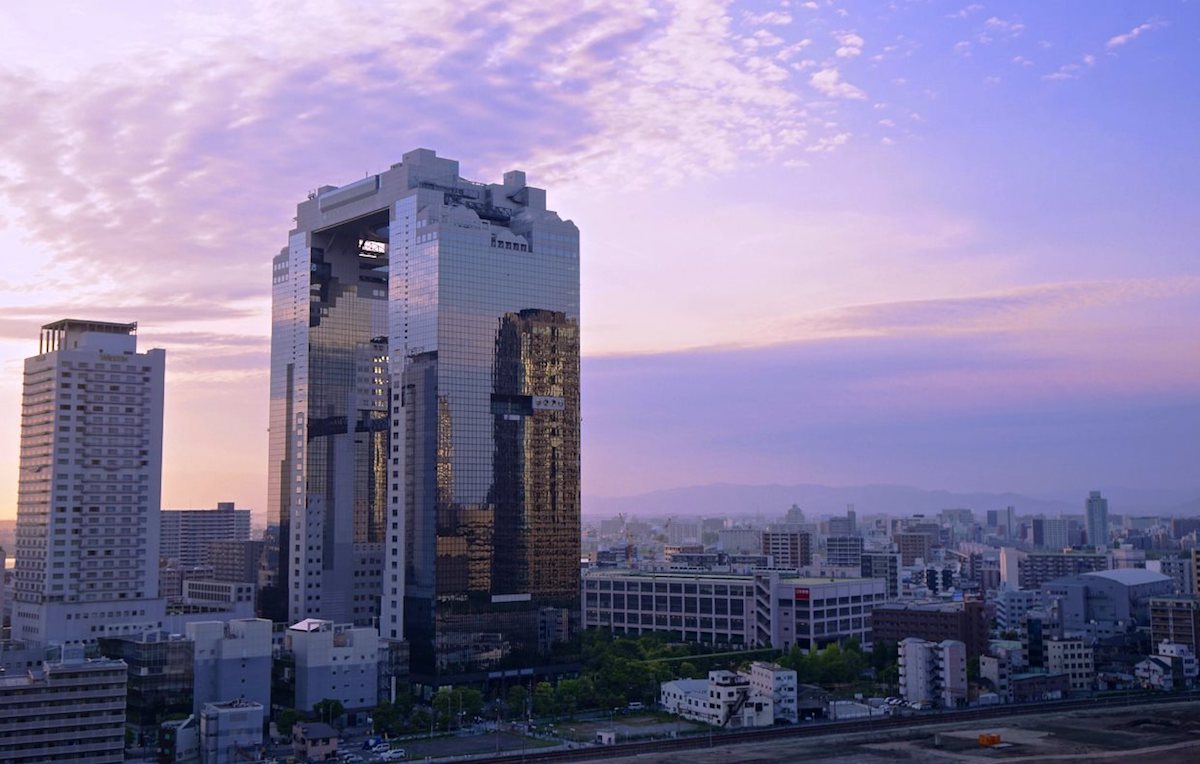
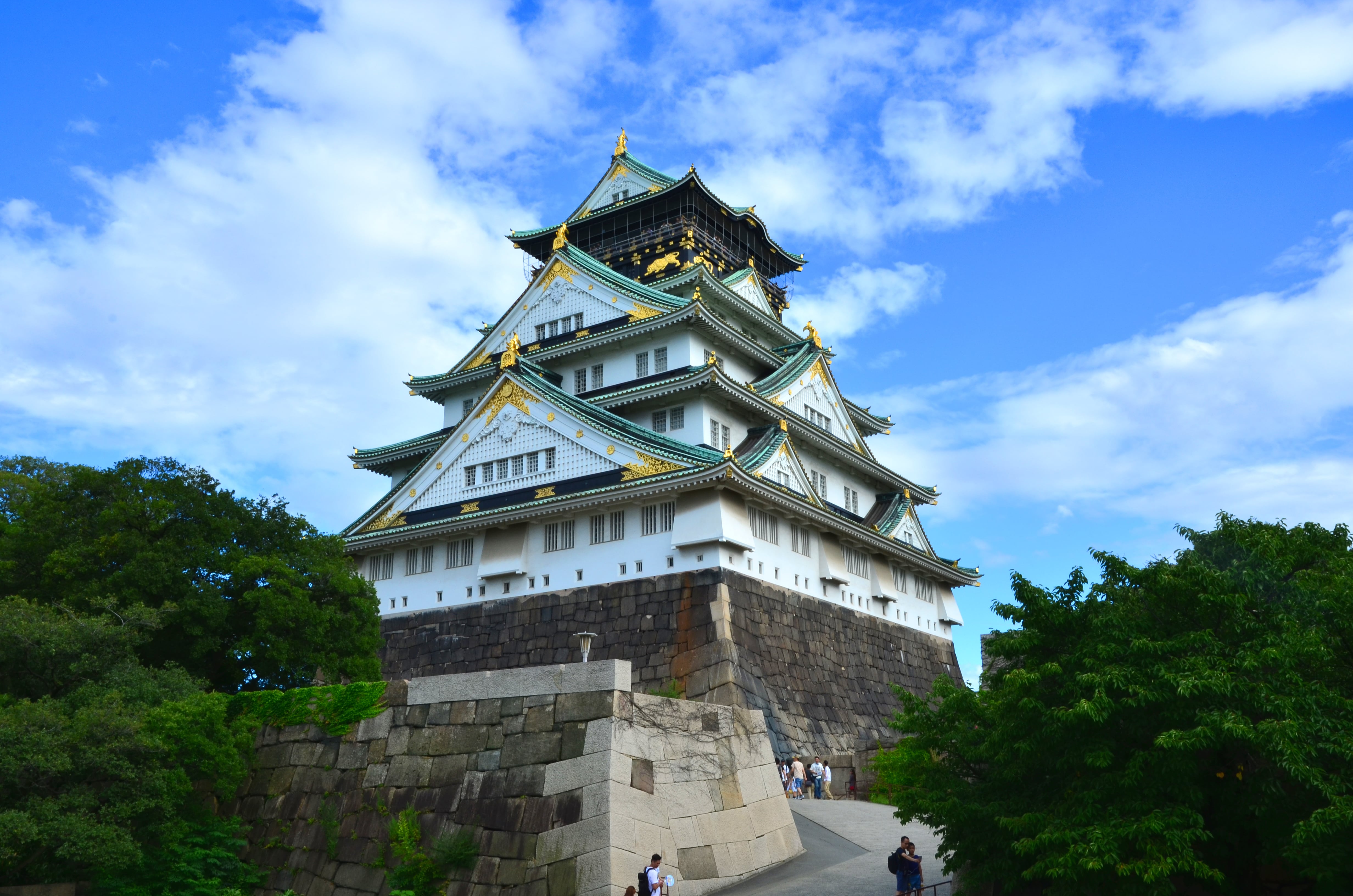
Day 10; Kyoto - Osaka.
09:00 – Kyoto city sightseeing tour at chartered bus with guide, including:
09:30 – Fushimiinari shrine;
11:30 – Transfer to Osaka;
12:30 – Osaka castle;
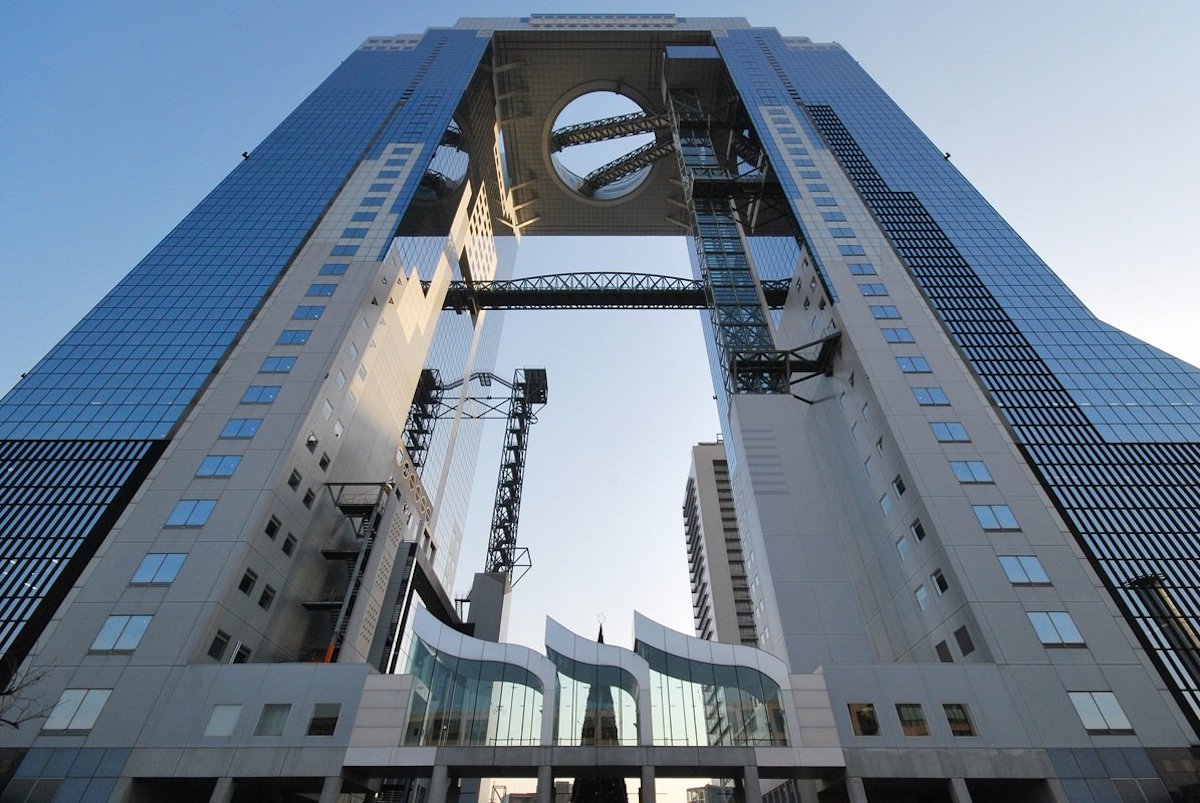
14:00 – Umeda Sky building;
15:30 – Tempozan Harbor village;
16:30 – Dotonbori and Shinsaibashi shopping;
18:00 – Transfer to Osaka airport.
* Night departure to home country.
– accommodation in 4 star hotel, twin rooms with breakfast;
– Shinkansen high-speed train tickets;
– transfer with an english-speaking guide by chartered bus from the airport to Tokyo (Day 1) and departure from hotel (Day 10);
– 8 excursions with an English-speaking guide by chartered bus (Day 2, Day 3, Day 4, Day 5, Day 6, Day 7, Day 8, Day 9);
– 8 dinners (Day 2, Day 3, Day 4, Day 5, Day 6, Day 7, Day 8, Day 9);
– entrance tickets for excursions.
The cost of tour does not include:
– air flight to Japan;
– any other services not specified in the program.
Download tour programm
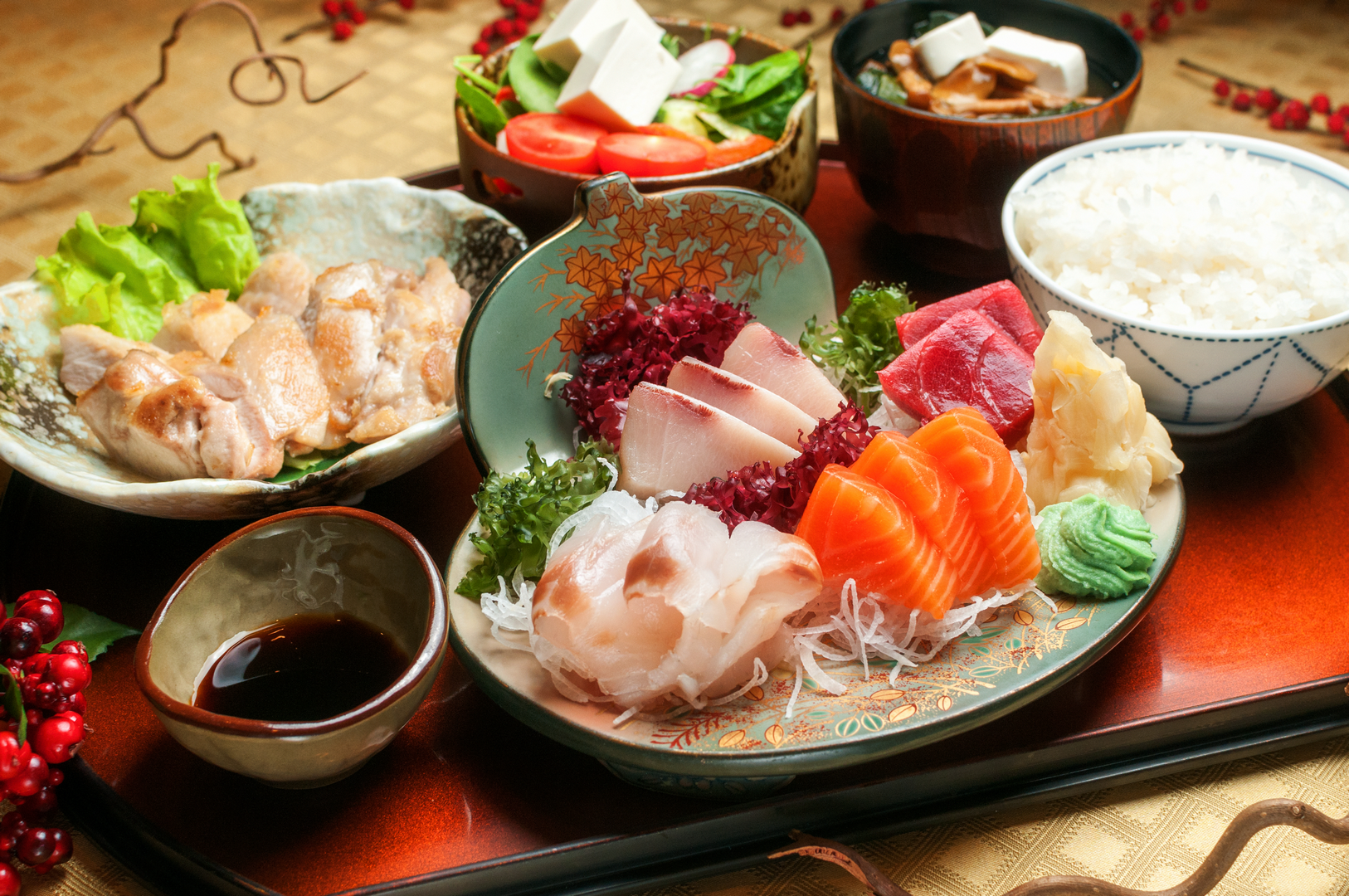
Japanese cuisine
Japanese cuisine is the national cuisine of the Japanese.The main distinction is the preference for natural, minimally processed products, the widespread use of seafood, seasonality, characteristic dishes, specific rules for the design of dishes, serving, table etiquette.
Japanese cuisine is usually a key attraction for tourists from other countries.
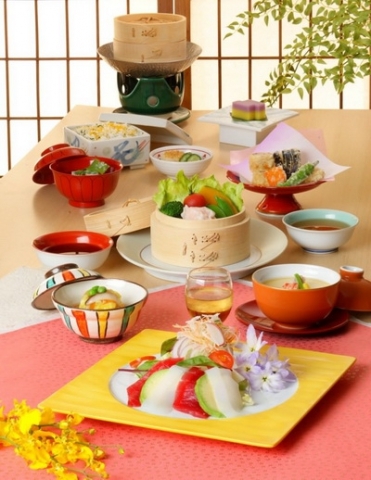
Tokyo - Japanese cuisine
Special delicacy in the composition of dishes came from the art of ikebana. Kaiseki-ryori is the enjoyment of a change of dishes, utensils, the taste of exquisite products, a carefully thought-out menu, and time spent together.
Kaiseki cuisine is closely related to the seasons, so the menu in restaurants changes at least four times a year. Everything changes, from products to dishes and decorative serving items.
Menu:
* Seasonal appetizer (2-3 types);
* Freshly sliced fish;
* Tyavan musi (Egg pudding with vegetables);
* Mini-nabe;
* Tempura;
* Rice;
* Soup;
* Dessert;
* Japanese tea.
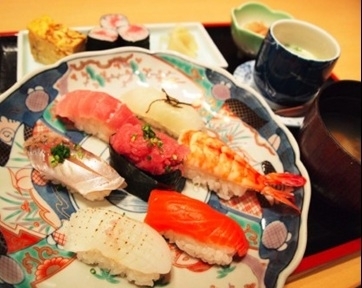
Kamakura - Japanese cuisine (Sushi)
Sushi - is a traditional Japanese dish made from rice and various seafood, as well as other ingredients. Since the early 1980s, sushi has gained wide popularity in the world.Menu:
* Sushi Set;
* Misosiru;
* Tyavan musi;
* Japanese tea.
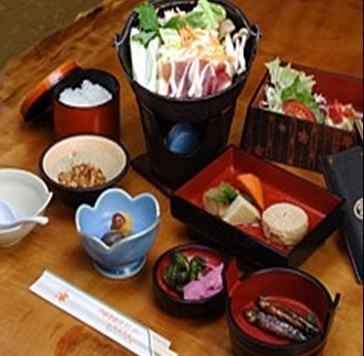
Nikko - Japanese cuisine
Nabe - is a pot, boiling right in the middle of the table. A dish full of raw foods is brought to the table, they all cook together and immediately eat nabemono from a common boiler. Most often they cook fish, seafood, chicken, meat and, in addition, usually vegetables.Menu:
* Seasonal appetizer (2-3 types);
* Salad;
* Rice;
* Soup;
* Nabe (Hot dish with meat and vegetables)
* Japanese tea.
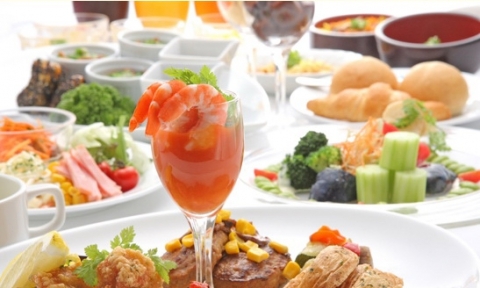
Hakone - European and Japanese Cuisine
European cuisine, varies significantly depending on the country, common to European cuisine are the abundance of meat and vegetable dishes, as well as the secondary role of various seasonings and sauces.
Japanese cuisine is the national cuisine of the Japanese. It is distinguished by the preference for natural, minimally processed products, the widespread use of seafood, and seasonality.
*Buffet.
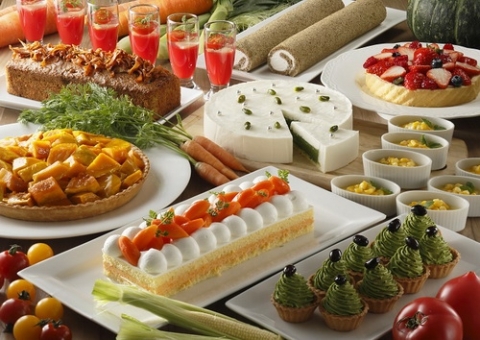
Kyoto - European and Japanese Cuisine
European cuisine, varies significantly depending on the country, common to European cuisine are the abundance of meat and vegetable dishes, as well as the secondary role of various seasonings and sauces.Japanese cuisine is the national cuisine of the Japanese. It is distinguished by the preference for natural, minimally processed products, the widespread use of seafood, and seasonality.
*Buffet.
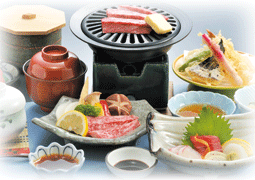
Nara - Japanese Cuisine (Yakiniku)
Yakiniku - translated from Japanese as "fried meat." The method of cooking meat on the grill, which, depending on the restaurant, can either be above the clay pot with coals, or above the open fire of a special gas stove.Yakiniku originally appeared in Korea, but in Japan acquired a number of characteristic features. Japanese yakiniku is much less acute than its Korean version.
A special sauce is served for the meat, which is poured into small plates, and where the meat is dipped after frying on a wire rack.
Menu:
* Soup;
* Salad;
* Meat (Beef);
* Snack
* Rice
* Pickled vegetables
* Dessert
* Japanese tea
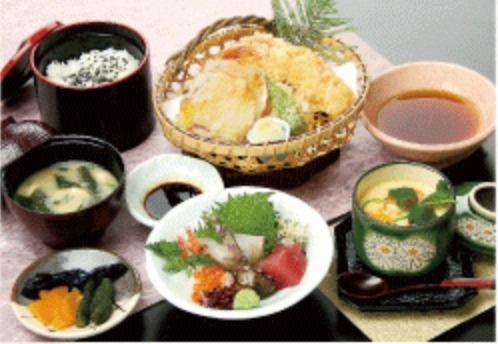
Avaji - European and Japanese Cuisine
European cuisine, varies significantly depending on the country, common to European cuisine are the abundance of meat and vegetable dishes, as well as the secondary role of various seasonings and sauces.Japanese cuisine is the national cuisine of the Japanese. It is distinguished by the preference for natural, minimally processed products, the widespread use of seafood, and seasonality.
*Buffet.
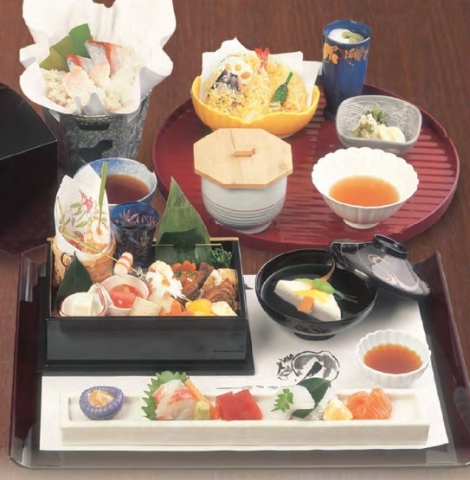
Kyoto - Japanese Cuisine (Waseku)
Vaseku - this is the national Japanese cuisine, where seafood is very popular, from which many traditional dishes are prepared. Seafood in Japan is served only slightly fried or steamed, or even raw. To set the table in Japan doesn’t mean just to arrange the plates and arrange the forks, putting the common dishes with food in the middle. Japanese table setting is a special kind of art that has been taught since childhood.Menu:
* Soup;
* Sashimi;
* Japanese appetizer of vegetables and seafood (2 types);
* Mini-nabe (hot dish with vegetables);
* Tempura;
* Rice;
* Dessert;
* Coffee;
* Japanese tea.
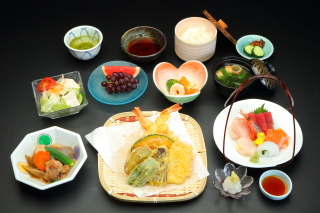
Fuji - Japanese cuisine
Misoshiru (Soup with miso) - a dish of Japanese cuisine, a soup with miso paste dissolved in it. The composition of the soup includes many minor ingredients, their set depends on the region and season.
Menu:
* Tempura;
* Sashimi;
* Dish with boiled vegetables;
* Pickled vegetables;
* Salad;
* Fruits;
* Pickles;
* Soup;
* Rice;
* Japanese tea.
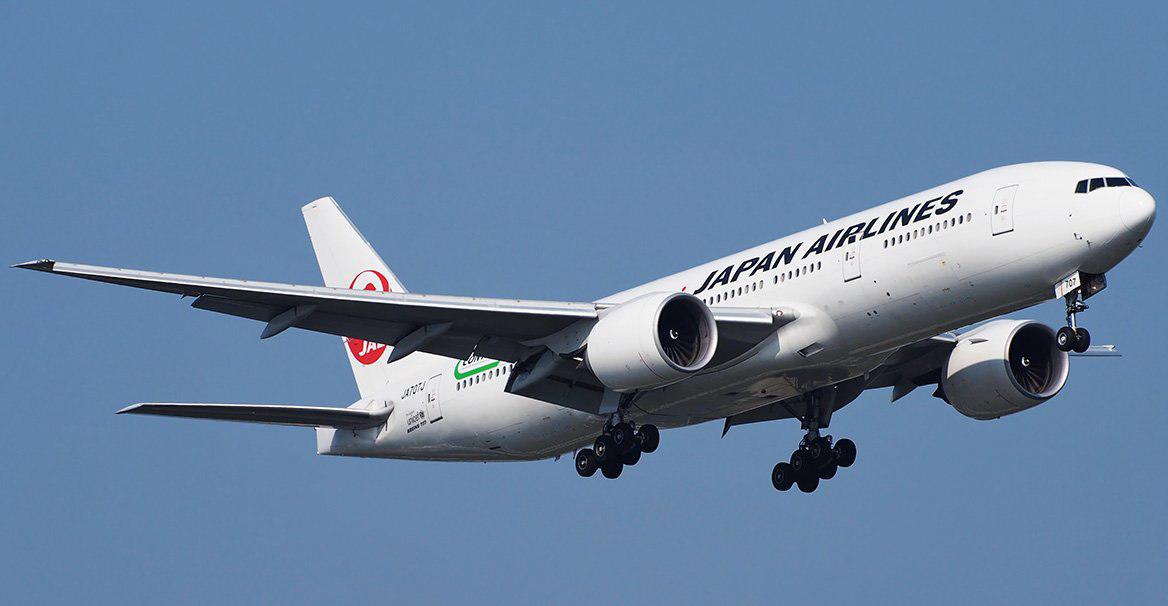
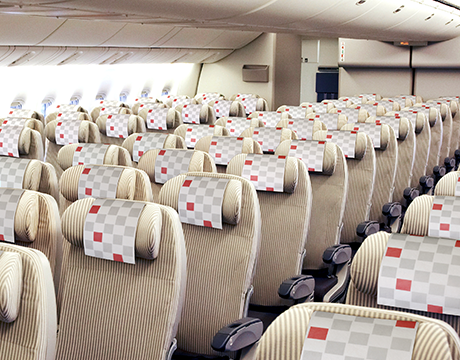
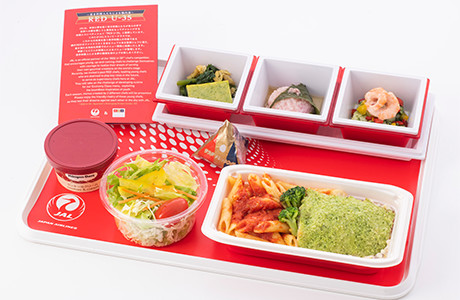
JAPAN AIRLINES
Japan Airlines Corporation or JAL is the national airline and flagship carrier of Japan. One of the largest airlines in Asia, a member of the oneworld Alliance. Based at Tokyo's Narita (international flights) and Haneda (domestic flights) airports, Japan Airlines operates scheduled international and domestic flights to 125 airports around the world.Japan Airlines was established on October 1, 1953, when the government of Japan decided to create a state-owned airline. In 1954, the newly created airline made the first international and at the same time transoceanic flight to the United States. The airline was fully privatized in 1987. In 2002, Japan Airlines merged with Japan Air System, at the time the country's third-largest airline. Japan Airlines has passed the IATA security audit.
The fleet of Japan's flagship carrier includes long-haul Boeing 787-Dreamliner, 767 and 777 aircraft.
Route map on the website of JAPAN AIRLINES.
Rules for carrying hand Luggage.
Norms for carrying hand Luggage in the cabin:
1 piece of Luggage weighing up to 10 kg (economy class)
In the sum of three measurements, the size should not exceed 115 cm (55-40-20).
Baggage rules.
Adults and children over 2 years of age:
For flights to/from Japan, the free baggage allowance in economy class is 2 seats of 23 kg.
Excess baggage
If the baggage exceeds the norm , you will have to pay extra for it.
BOOK TOUR
Leave a massage, we will help You to choose your perfect trip!
Other tours to Japan
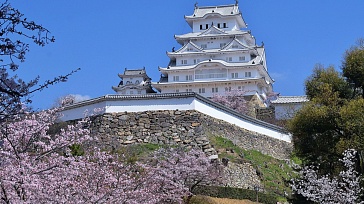
Model course for travel agencies/tour operators. Alpen Snow Route Japan
- ► 10 days / 9 nights
- ► Accommodation 4*
- ► 8 excursions
- ► 9 breakfasts
- ► 8 lunches
- ► 9 dinners
- ► Entrance fee
- ► Transfers from / to airport
- ► Train tickets
¥ 392 000
Model course for travel agencies/tour operators. Alpen Snow Route Japan
¥ 392 000
Tour cost includes:
- ► 10 days / 9 nights
- ► Accommodation 4*
- ► 8 excursions
- ► 9 breakfasts
- ► 8 lunches
- ► 9 dinners
- ► Entrance fee
- ► Transfers from / to airport
- ► Train tickets
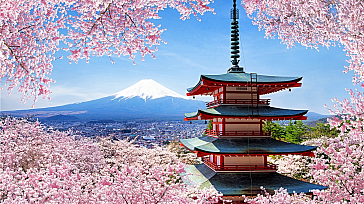
Model course for travel agencies/tour operators. Best of Japan. Sakura
- ► 8 days / 7 nights
- ► Accommodation 4*
- ► 7 excursions
- ► 7 breakfasts
- ► 6 lunches
- ► 7 dinners
- ► Entrance fee
- ► Transfers from / to airport
- ► Train tickets
¥ 291 000
Model course for travel agencies/tour operators. Best of Japan. Sakura
¥ 291 000
Tour cost includes:
- ► 8 days / 7 nights
- ► Accommodation 4*
- ► 7 excursions
- ► 7 breakfasts
- ► 6 lunches
- ► 7 dinners
- ► Entrance fee
- ► Transfers from / to airport
- ► Train tickets
Model course for travel agencies/tour operators. Amazing Japan. Sakura
- ► 9 days / 8 nights
- ► Accommodation 4*
- ► 7 excursions
- ► 8 breakfasts
- ► 7 lunches
- ► 8 dinners
- ► Entrance fee
- ► Transfers from / to airport
- ► Train tickets
¥ 328 000
Model course for travel agencies/tour operators. Amazing Japan. Sakura
¥ 328 000
Tour cost includes:
- ► 9 days / 8 nights
- ► Accommodation 4*
- ► 7 excursions
- ► 8 breakfasts
- ► 7 lunches
- ► 8 dinners
- ► Entrance fee
- ► Transfers from / to airport
- ► Train tickets
Model course for travel agencies/tour operators. Great journey. Sakura
- ► 10 days / 9 nights
- ► Accommodation 4*
- ► 8 excursions
- ► 9 breakfasts
- ► 8 dinners
- ► Entrance fee
- ► Transfers from / to airport
- ► Train tickets
¥ 382 000
Model course for travel agencies/tour operators. Great journey. Sakura
¥ 382 000
Tour cost includes:
- ► 10 days / 9 nights
- ► Accommodation 4*
- ► 8 excursions
- ► 9 breakfasts
- ► 8 dinners
- ► Entrance fee
- ► Transfers from / to airport
- ► Train tickets
Adress:
651-1255, Japan, Kobe city, Kita-ku, Kashio-dai, 14-3
Tel.: +81-80-6138-0517,
Mob: +81-80-6138-0517,
Email: yulia@goldtour-japan.jp